
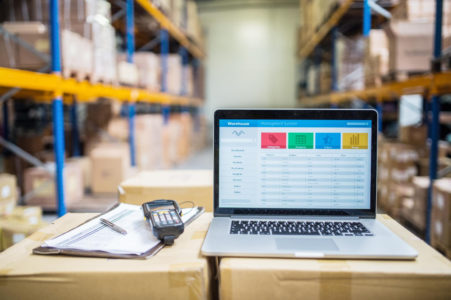
In the business world, inventory management is much more than just an operational task. It is an essential pillar for ensuring the profitability, competitiveness, and sustainability of your business. Proper inventory management not only prevents financial losses, but also improves customer satisfaction, optimizes cash flow, and strengthens the overall business strategy.
Why is effective inventory management crucial?
1. Cost reduction
Poorly managed inventory can lead to significant costs: excessive storage, product obsolescence, losses due to deterioration or theft, and costs associated with overstocking or understocking. By optimizing management, the company limits these unnecessary expenses, which directly translates into improved profit margins.
2. Cash flow improvement
Inventories tie up capital. Excess inventory can tie up a significant portion of cash flow, preventing the company from financing other investments or essential operations. Accurate management can reduce these fixed assets, freeing up financial resources for other strategic uses.
3. Customer satisfaction and loyalty
Having the right product, at the right time, in sufficient quantities, is vital to responding quickly to customer demands. Well-managed inventory prevents stockouts or delivery delays, strengthening customer confidence and loyalty.
4. Production optimization
In a manufacturing company, accurate management of raw material and component inventories ensures smooth production without interruptions or waste, contributing to improved operational efficiency.
The impacts of inadequate inventory management
- Significant financial loss: unsold or obsolete inventory that must be sold at reduced prices or destroyed.
- Delays and customer dissatisfaction: stock shortages that can lead to canceled or postponed orders
- Damage to reputation: poor management can harm the company’s image.
- Operational risks: difficulties in planning, procurement, and production
How can inventory management be optimized?
- Use modern tools: ERP, inventory management software, barcodes, or RFID
- Adopting the Just-in-Time (JIT) method: reducing inventory to the minimum necessary
- Regularly analyze data: to forecast demand, identify slow-moving products, and adjust inventory levels
- Train staff: in inventory management and best practices
Proper inventory management is a key strategic lever for any company seeking to optimize its financial and operational performance. By controlling its inventory, a company gains flexibility, reduces costs, improves customer satisfaction, and positions itself favorably in the market. Investing in the right tools, processes, and training is a winning approach to ensuring sustainable growth and enhanced competitiveness.